
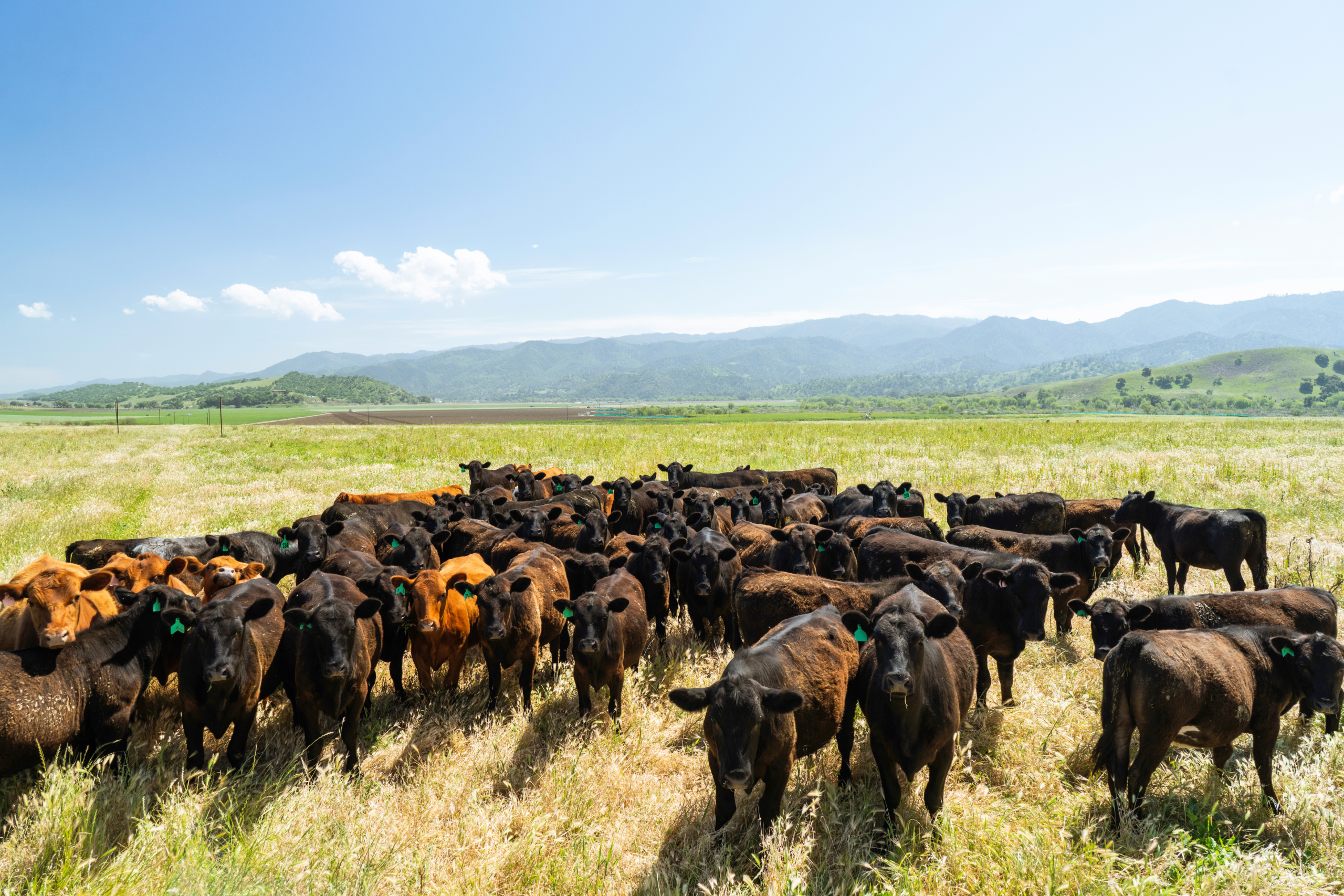
Slow Food South Willamette is forging a partnership with the Oregon-based Good Meat Project (GMP). The leaders of the Good Meat Project told me that the number of male farmers and ranchers have steadily declined since 2007. Meanwhile, the number of women in the industry has increased with every USDA survey since 2002, now accounting for one-third of U.S. producers.

They shared information about several Oregon women ranchers who are helping to drive the $222 billion U.S. agricultural industry and who are shaping the future of ethical meat production. I was introduced to Nina Kronberg Sackett with Bee Easy Farm. She and others are members of GMP, the first national nonprofit dedicated solely to supporting ethical meat producers, led by Michele Thorne, who is a small-scale producer herself.

I asked them to share some more information with me. Please read on to learn more about GMP and stay tuned, because we’re hoping to plan some events together.
What insights do you have on the modern female agricultural experience in Oregon (and/or the nation at large)?
According to American Farmland Trust, of all the farms in the US, 43% of them are farmed or co-farmed by women, totaling nearly 388 million acres in production by women (or women identifying). About 50% of them generate sales from livestock or livestock products The median age of female farmers in the US is between 34 and 65 years of age, which represents 55% of all female farmers. However, there’s a huge revenue gap between male and female farmers. For farms with one or more female producer, on average, revenues were less than $10,000 for the year. New female producers (generally defined as having less than 10 years of farming experience) in the state of Oregon are represented in every county with 96.6% proportionally identifying as white. Hispanic, African American, and Tribal female producers make up only 3.4% of all Oregon female producers. Lastly, no matter their race, the majority of producers retain off farm jobs to survive.
What advice do you have for emerging women producers?
We all know farming is hard work so we suggest tapping into the many emerging wraparound services and education opportunities for women farmers across the US in every region. Services can include business and financial management, business planning, grazing management, and marketing and promotional resources. At the Good Meat Project, our focus is on providing educational resources and marketing and promotional technical assistance tools, for free, to livestock producers to help them bring their products to market. It is important for female producers to tap into these resources and their local communities, local university extension services, and other private business resources and mentorships where they can learn and connect with others.
Why are women disproportionately leading ethical and pasture-based models, in GMP’s experience?
Women are nurturers by nature, and care deeply about the health and wellbeing of their families. This natural extension into farming demonstrates their deep care for land, animals, and people. Statistics show that female farmers focus largely on farming systems including soil health, conservation, and financial management of the business. All of these benefit the overall production of the food they create.
Can you talk a little about additional barriers women ranchers have, such as systemic barriers to financing and scale?
There are many barriers women, and especially women of color, face along their pursuit of starting or maintaining a profitable farm operation. The most common and most difficult barrier to overcome, particularly for livestock producers, is access to land. The overpriced real estate market inflated by retail investors, the succession of retiring farmers seeking the highest bidder, and the lack of access to capital for land purchase, scaling an operation, or for investing in infrastructure, is a huge barrier for anyone, but especially for women. However, we have heard about ways women are leading the charge in changing some of these factors by collaborating with one another and building supportive communities around them to source innovative solutions to these systemic barriers.
Tell us about some of the exciting projects GMP has this year.
This year, adding to our collection of comprehensive resources for beef, pork, lamb, and goat producers, Good Meat Project will be creating and sharing a new Pastured Poultry Toolkit with Oregon’s producers. This project is funded by an Oregon based foundation and will not only provide poultry producers with resources that address their constraints, but also provide them with tools and digital assets they can use to help educate their consumers. Additionally, we are partnering with two amazing women this year, Carrie Richards of Richards Regenerative Ranch, a third-generation livestock farmer in Oregon House, California, (details below) and Kristen Schumacher, a James Beard Award winning chef at Carnation Farms in Carnation, Washington, to co-host a live dining event called “Every Cut Matters.”
On May 30, 2026, under a beautiful spring sky in Oregon House, California, Richards Regenerative Ranch is partnering with the Good Meat Project for an immersive evening centered on one powerful idea: Every Cut Matters.
More than a farm dinner, this year’s event offers a hands-on look at nose-to-tail eating. Guests will tour the ranch, meet the ranchers, and watch a rare live whole-animal butchery demonstration, seeing firsthand how honoring the whole animal strengthens local food systems. At its heart, the evening restores transparency to our food and raises vital support for it.
The experience (photos from the farm and various events here) begins with a happy hour and whole-animal butchery breakdown (from butcher Paul Carras), followed by an open-sky, family-style all-inclusive dinner for 150 guests from Chef Gregory Desmangles. The menu will highlight lesser-known cuts and organ meats, thoughtfully prepared to showcase flavor, respect, and craftsmanship. Think beef heart anticuchos and pork cheek pave! Wines from California’s Frenchtown Farms will reflect the character of the region’s soils, reinforcing the connection between land, animal, and plate/glass. There will also be a silent auction featuring a 100-pound regenerative beef box and a 75-pound regenerative pork box.
Proceeds will benefit the Good Meat Project’s national work that strengthens connections across the ethical meat value chain including producer education, supply chain collaboration, and independent meat economies across the country. GMP is the first national nonprofit solely dedicated to connecting and supporting everyone in the ethical meat industry – from regenerative farmers and ranchers to eaters, butchers, and chefs.
Event sponsors include the Audubon Society, Conservation Ranching Program, Cream Co. Meats, Roots of Change, and TomKat Ranch Educational Foundation.
What call-to-action would you like to make for producers in the Valley to join/be involved with GMP?
We invite producers across the Willamette Valley to join the Good Meat Finder—a free, national directory that connects values-driven farms/ranchers, butcher shops, restaurants, and retailers with conscious consumers who are actively seeking their products. It’s a quick and easy way to increase visibility, reach new markets, and be part of a growing network committed to transparency and ethical meat.
What about potential donors, partners, or sponsors?
We need local sponsors to help make ethical meat available to everyone. Families in need often depend on food boxes, but those boxes rarely include protein—and when they do, it’s typically sourced from large industrial producers rather than local farms. Many households receive ultra-processed foods that fill stomachs but don’t nourish or support regional agriculture.
In partnership with Lane County Bounty and Bohemia Food Hub, we’re connecting nutrient-dense, locally raised, and values-based meat with food access programs—getting healthy protein to families while creating reliable markets for regional producers and keeping food dollars circulating locally. Learn more here.
Local sponsors can also support our programming—workshops, resources, community events, and dining experiences that connect farmers, butchers, and chefs with consumers and promote values-driven, ethical meat.
Are there any women in the Slow Food movement in the region you’d like to call out?
We’d love to recognize leaders like Kris Reid, whose work continues to shape the national Slow Food movement, as well as the many women producers and advocates across the Willamette Valley, such as Christine Deck of Deck Family Farm and Chef Kari Shaughnessy of Hayward Restaurant, both deeply connected to the Good Meat Finder network and local food culture. We also celebrate regional advocates like Rebecca Thistlethwaite, who supports small‑ and mid‑scale meat processors and farmers across Oregon through her leadership of the Niche Meat Processor Assistance Network at Oregon State University, helping strengthen local meat systems statewide.
