
By Katie Neall, Secretary, Slow Food South Willamette
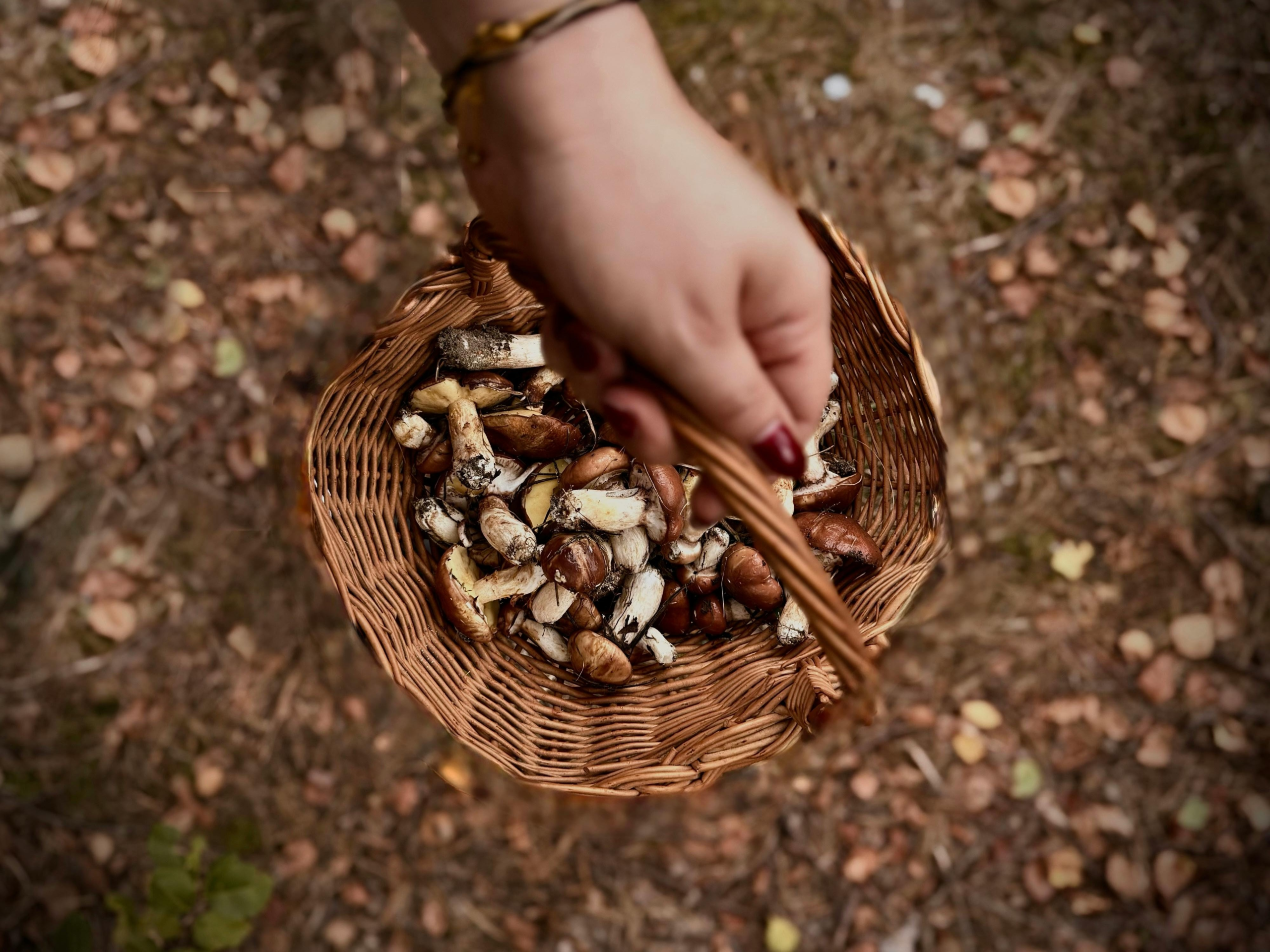
When I think of slow food, I think of culture, custom and community; I think of fisherman, hunters and foragers; I think of farmers and soil, and food traditions that are deeply tied to and rooted in the land and its people. Slow Food USA’s mission statement is Good, Clean, Fair, Food for All — and I think about what that means — for ALL people to have access to delicious, nutritious food, grown in a clean, sustainable manner, where the farmers and farm workers are valued and fairly treated.
I recently had the privilege of attending a training event by Oregon Food Bank’s Equity and Racial Justice Education Team that focused on Food Justice and Food Sovereignty through an Indigenous lens. The presenters explained that as Oregon Food Bank strives to move from a charitable model to a social justice model for food security, they have taken upon themselves to examine and address the root cause of food insecurity and inequity — largely colonialism and institutions operating within a colonizing infrastructure. The materials presented in the training explained concepts of colonialism and the way colonialism impacts food security and food sovereignty.
As we worked through the material, touching on topics that often can cause discomfort, the overarching idea was one of assuming responsibility for the results of colonialism and how it has impacted food equity/sovereignty, while recognizing that our inherited history of colonialism is not our fault. The presenters explained that colonialism is at odds with cultural continuity, and cultural continuity is protective of community health. Communities that acknowledge and work towards addressing the damage done to their food systems by colonialism will be inherently healthier, more resilient communities. Celebrating and uplifting traditional food productions fosters a culture of stewardship and holistic health that is much needed in today’s world where food apartheids still exist, and communities in certain geographic regions suffer restricted access to healthy whole foods.
Celebrating and uplifting traditional food productions fosters a culture of stewardship and holistic health that is much needed in today’s world where food apartheids still exist, and communities in certain geographic regions suffer restricted access to healthy whole foods.
The presenters emphasized the need to recognize how our farmers and farm workers are actually stewards not only of the earth but of community health. Farmers are stewards of community health, and good, clean, fair food is healthcare. The values shared by the Oregon Food Bank Equity team during this training resonate well with the values of Slow Food USA, and I was proud to be able to participate in such an informative event.